Go to content area
Plexus International 1987
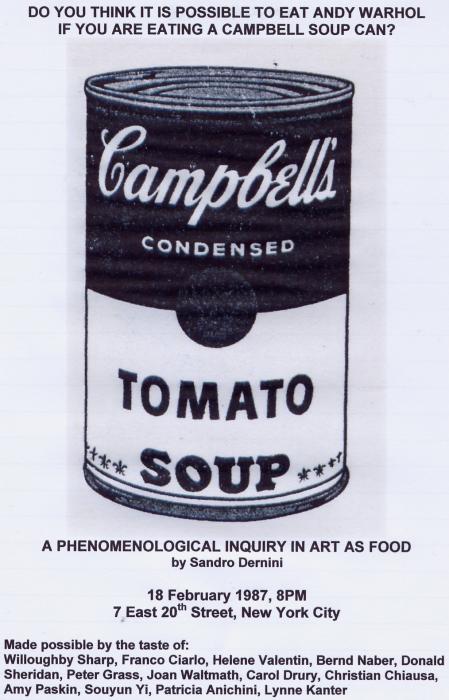
Do You Think it is Possible to Eat Andy Warhol by Eating an Campbell Soup Can? New York


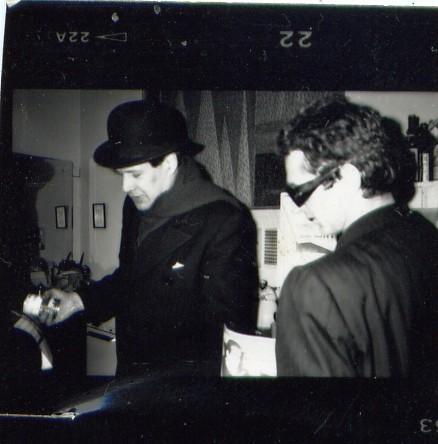
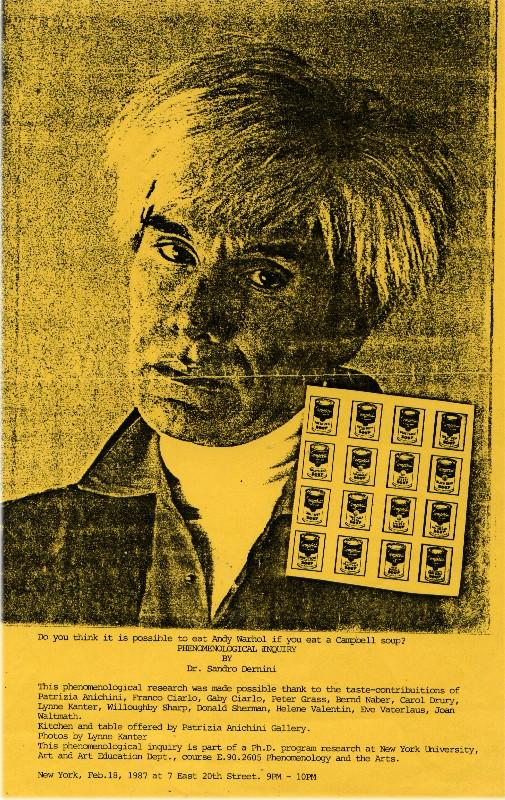
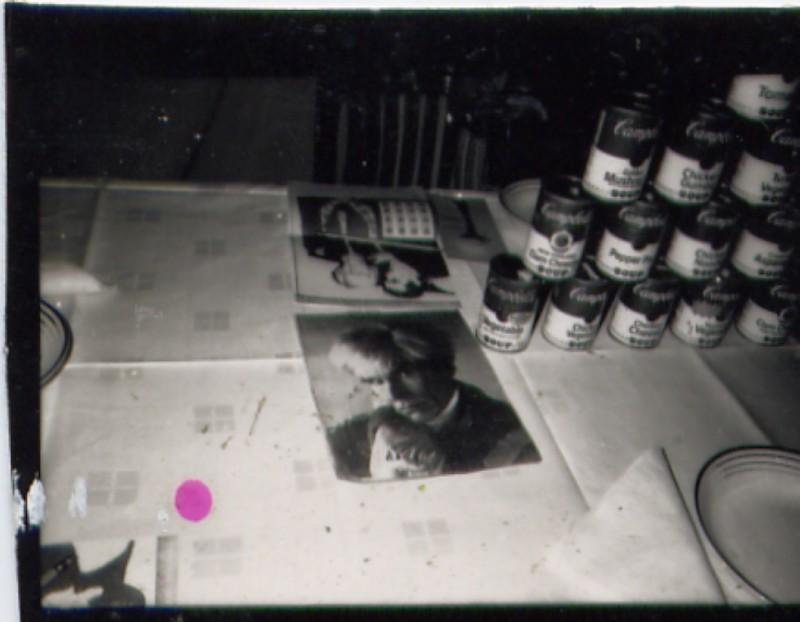
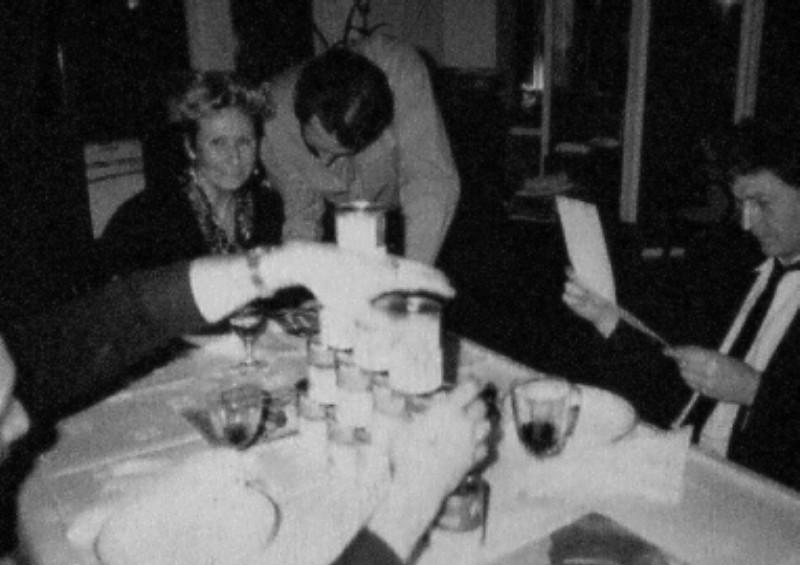
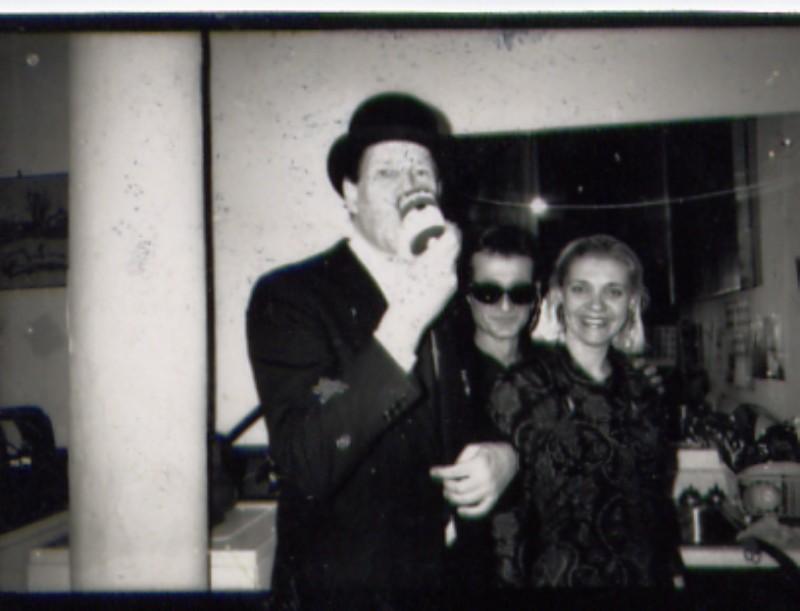
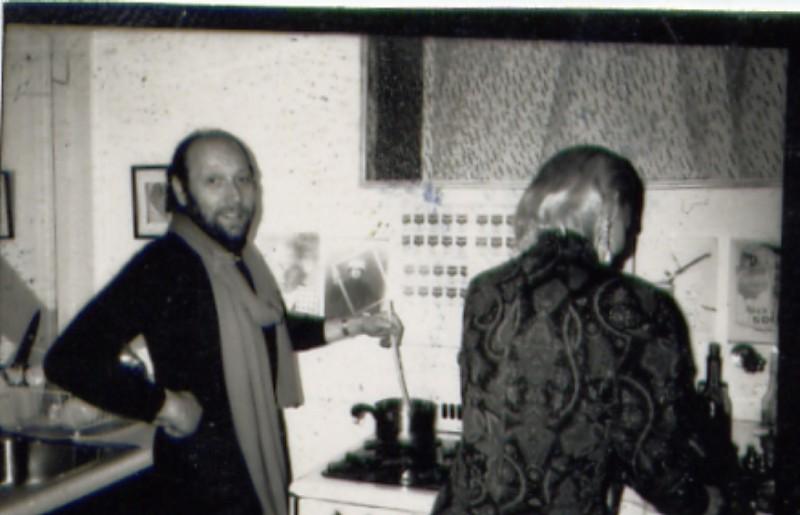
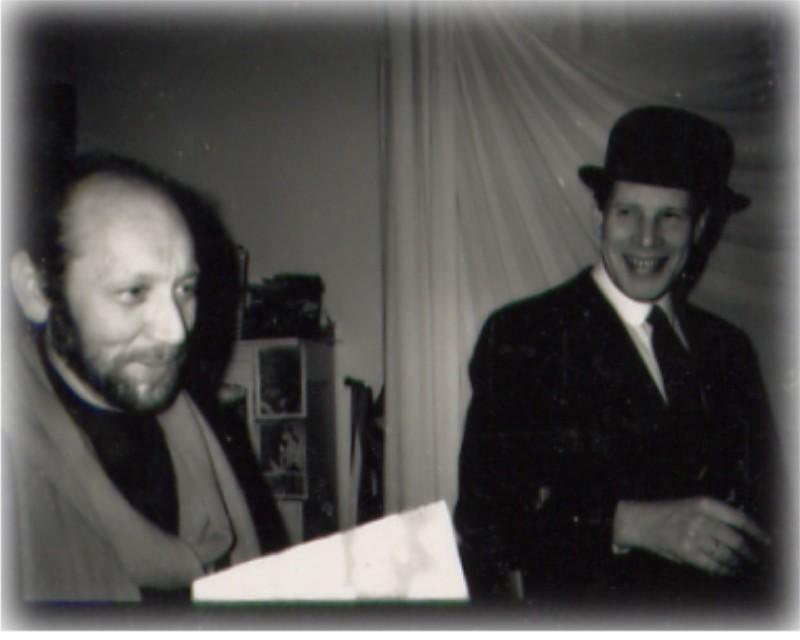
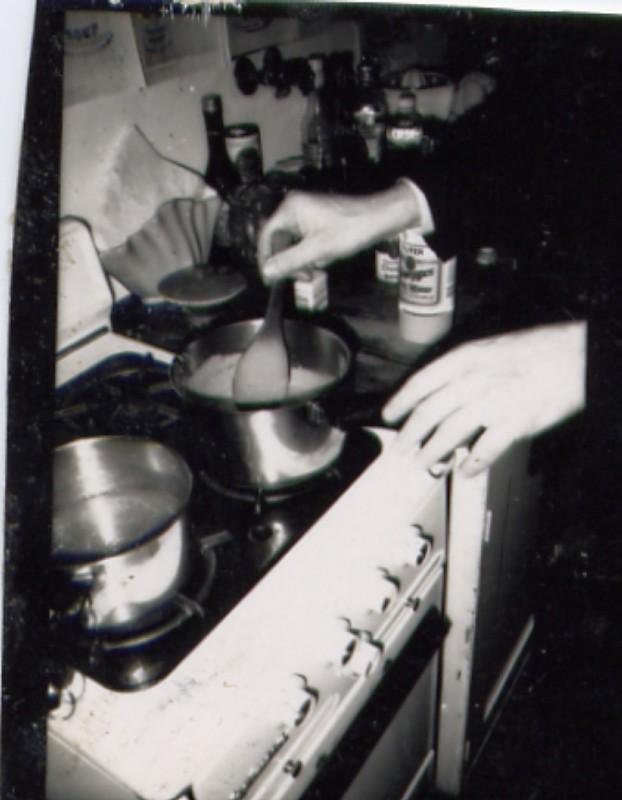
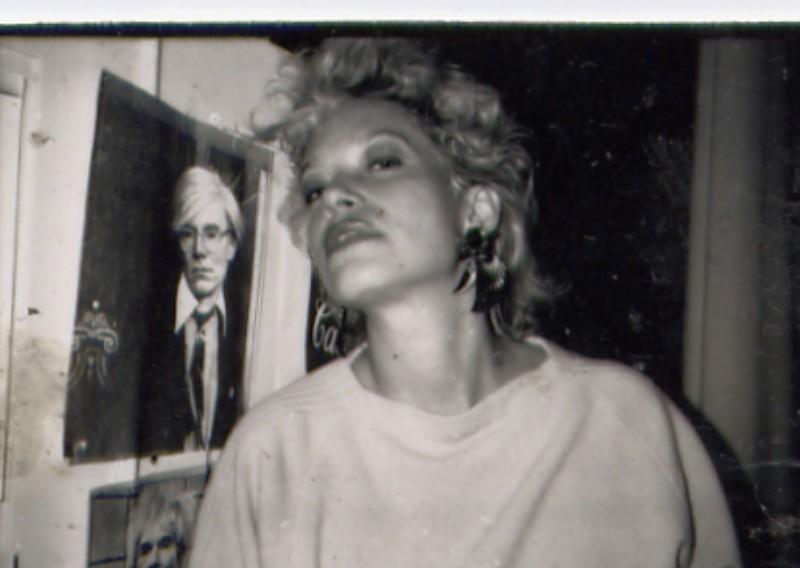
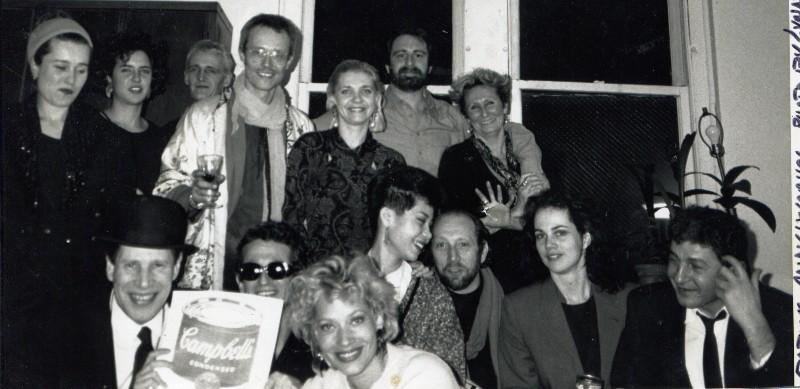
On 18 February 1987, in New York, at the Patrizia Anichini Gallery, I RITUALLY performed

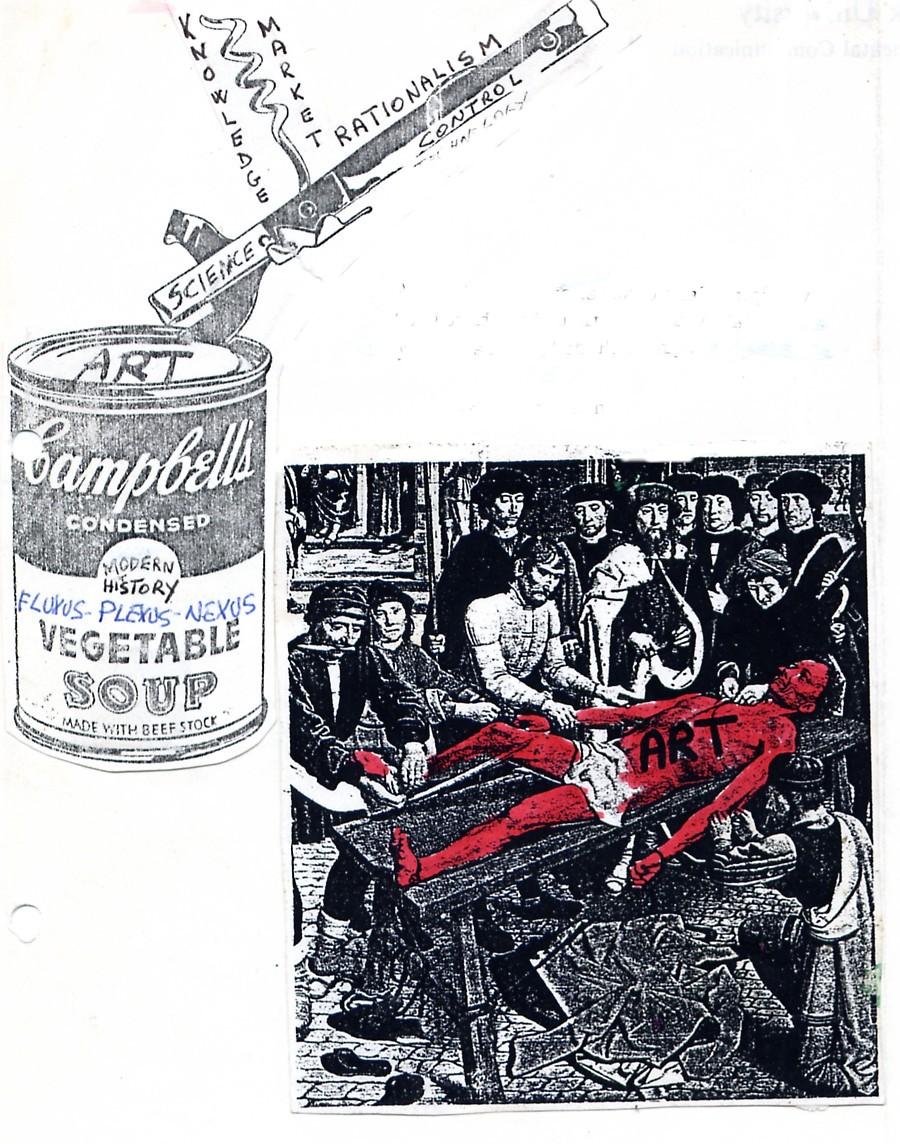
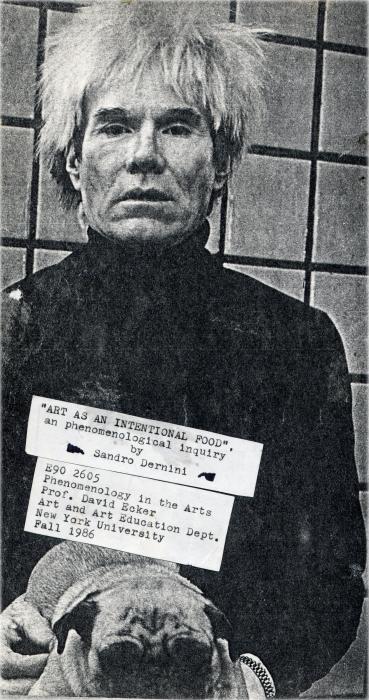
DO YOU THINK THAT IT IS POSSIBLE TO EAT ANDY WARHOL BY EATING A PLEXUS CAMPBOLL'S SOUP CAN?as an aesthetic inquiry for my PhD course E90.2605 on Phenomenology and the Arts at New York University, directed by prof. David  W. Ecker, to achieve a basic knowledge of the literature of phenomenological aesthetics and skills in phenomenological  inquiry in the arts.


Invited artists were Willoughby Sharp, Helen Valentin, Bernd Naber, Franco Ciarlo, Donald Sheridan, Peter Grass, Lynne Kanter, Souyun Yi, Carol Drury, Amy Paskin, Christian Chiansa, and the host Patrizia Anichini.


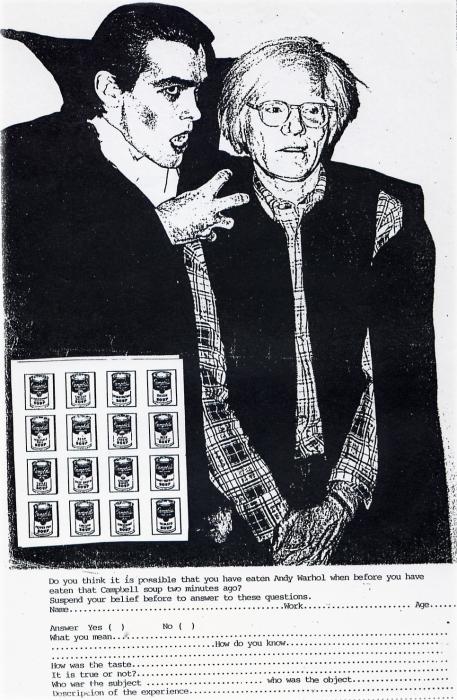
I prepared a questionnaire to be filled by participant artists after having cooked and eaten a Campbell's soup can. Seven questions I posed in the questionnaire, conceived for my phenomenological performance upon my NYU PhD course on Phenomenology and the Arts and my PhD reaserch study on "ART AS FOOD".   


QUESTIONNAIRE

Do you think it is possible that you have eaten Andy Warhol when before you ate that Campbell soup two minutes ago?  

  1. Suspend your belief before to answer to these questions. Answer: yes or no?
  2. What you mean?
  3. How do you know?
  4. How was the taste?
  5. Is it true or not?
  6. Who was the subject?  Who was the object?  

  7. Description of the experience


From questionnaires, came out that the majority of the participants believed that they "ate" Andy Warhol.  


Few nights after,  on 22 February 1987, Andy Warhol died! 


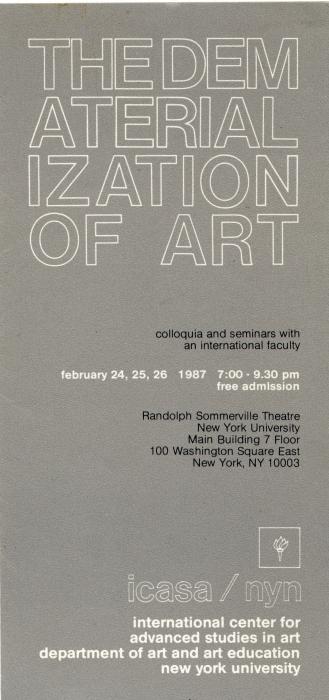
On 24 February, at the opening of the  Dematerialization of Art Symposium, Lenny Horowitz and Stephen Di Lauro, two Plexus historical players, by reporting from the floor the Sandro's performance, questioned the panelists about this potential dematerialization of Andy Warhol into a Campbell's soup can.   

The panelists were Jean Baudrillard, Donald Kuspit, Vito Acconci, Nam June Paik, Judy Barry, Dennis Oppenheim, Billy Kluver, Nancy Holt, Paul Taylor, Bruce Breland, Flor Bex, Rene Berger, Eika Billeter, Alan Bowness, Julie Lawson, Hervè Fischer and George Chaikin. 

Nam June Paik, one of the speakers, answered   believed possible that Andy Warhol had been dematerialized through the artist intentional act of eating his commodity art symbol.
 

Stephen DiLauro 

“A Question to the Symposium on the Dematerialization of Art”

Art has its roots in ritual. We have only to look at the works of early shamans drawn on the walls of caves at Altamira and Lascaux. In addressing the idea of the dematerialization of art, aren’t we really taking about ritualistic art which cannot be repeated or preserved, setting aside for a moment the question of documentation, which is really a tool for raising capital. Take it a step further: the dematerialization of art is really ritual for the sake of ritual. Last night Sandro Dernini asked if when eating Campbell’s Soup, we are eating Andy Warhol—spoofing, if you will, the Christian communion ritual. This idea of concept of dematerialization as ritual is even further underscored in a performance, say, where 13 people gather to eat Campbell’s Soup. The soup has dematerialized into the stomachs of the participants and the gestures and words of those gathered have dematerialized into the air, not to be repeated again word for word, slurp for slurp. So the ritual dematerializes as it takes place. Dance, theatre—these stem from a need to ritualize, or make repeatable, certain words, movements, gestures. Another example, even more appropriate to the point I’m making raising this question with the panel, is the Plexus Art Operas, where hundreds of artists gather together to perform a theme. Dance, theatre, musical performance and visual arts are all combined here with the central idea of a modern sacrifice – sacrifice being an art ritual, of course. Bur the modern sacrifice of sacrifice, the end of ritual, really. So in talking about the dematerialization of art, aren’t we really talking about the demystification of ritual, the end of ritual. The impulse to include the audience, as in the happenings and the Living Theatre, is really the impulse of make shamans of us all, audience and artists alike. So, do you or do you not agree that the dematerialization of art is really art for the sake of demystifying, or even doing away with ritual, by making art? Whose Serpent? Who is the Serpent?                                                                                                                                          

Stephen DiLauro


37_1987_warhol_as_an_intentional_food.jpg
37_immagine_144.jpg
37_1987_anichini_eat_andy_campbell_soup2.jpg
37_immagine_860.jpg
37_1987_anichini_questionary_warhol_and_dracula.jpg
37_1987_icasa_dematerialition_of_art.jpg
37_immagine_859.jpg
37_immagine_858.jpg
37_immagine_857.jpg
37_immagine_861.jpg
37_immagine_856.jpg
37_immagine_854.jpg
37_immagine_855.jpg
37_immagine_1375.jpg
37_vivisezionato_senza_scritte.jpg
37_made_in_the_sixties.jpg
37_1987_andy_whitney_can.jpg
37_1987_andy_vino.jpg
37_1987_andy_table_franco_ciarlo.jpg
37_1987_andy_table_bernd.jpg
37_1987_andy_table_bernd_and_hellen.jpg
37_1987_andy_table_bernd_and_hellen_and_peter.jpg
37_1987_andy_stephen_dilauro_questions_to_the_symposium.jpg
37_1987_andy_sandro_setting_table.jpg
37_1987_andy_sandro_e_amy.jpg
37_1987_andy_report_question.jpg
37_1987_andy_posters_display.jpg
37_1987_andy_patrizia.jpg
37_1987_andy_on_the_table.jpg
37_1987_andy_on_the_table_2.jpg
37_1987_andy_helen_e_sandro.jpg
37_1987_andy_franco_e_sandro.jpg
37_1987_andy_elenco_campbell_soup_mangiate.jpg
37_1987_andy_campbells_soup_cans_3.jpg
37_1987_andy_donald_e_bernd.jpg
37_1987_andy_answers_to_questions.jpg
37_1987_andy_campbell_soup_cans_1.jpg
37_1987_andy_answers_to_questions_bis.jpg
37_1987_andy_answers_to_questions_4.jpg
37_1987_andy_answers_to_questions_3.jpg
37_1987_andy_answers_to_questions_2.jpg