
 |
 |
 |
|
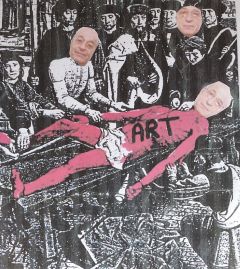
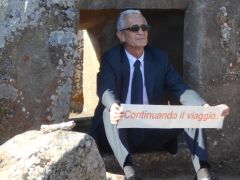
Plexus may be is one of the most complex, one of the most universal, in Plexus we find so many different kinds of performances of art, actions and exhibitions, which is important as a kind of summa of all works since the Living Theatre, Cage, all schools of improviser art.
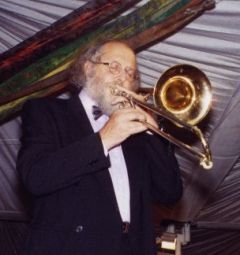
Giancarlo Schiaffini, Rome/New York, 1981
Plexus è una tendenza nella direzione dell'universale della civiltà. È un modo per unire tutte le persone, è una tendenza a osservare ciò che accade su questo pianeta con la consapevolezza di ciò che succede, senza separazione tra il mondo e l'essere umano.
Plexus non è un'organizzazione, è più una filosofia, un pensiero, una proposta, una visione su come affrontare la questione dell'essere umano.
È una tendenza nella direzione dell'unità, contro
qualsiasi definizione o classificazione che crei
separazioni. Senza unità, nel rispetto della
diversità e della qualità dell'essere umano, non
c'è democrazia.
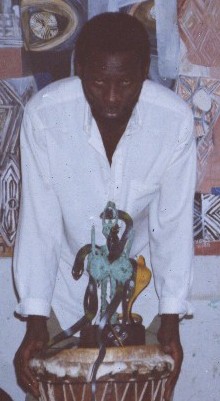
KRE MBAYE, Dakar, 1987
Ciò che sentite e vedete è vostra creazione. Ci chiamiamo
PLEXUS, abbiamo compresso storia
e ricreato mitologia.
Il Tempo ha accellerato e non è rimasto
tempo per una distanza estetica tra
l'artista come performer e l'asservatore artistico.
Abbiamo esteso l'angolo visuale per includere l'ex OSSERVATORE come partecipante. Siamo amici del fruitore. Usaci o perdici.
Siamo tutti pensatori e sognatori indipendenti e
confrontiamo in collaborazione le nostre visioni collettive.
Per favore sperimentateci saggiamente e con il cuore aperto. Questa è ARTE aperta.
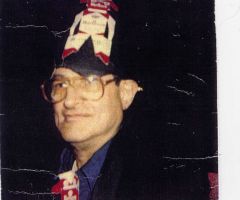
Leonard Horowitz, New York, 1988 Plexus Compressionisme
Leonard Horowitz, New York 1986 PLEXUS COMPRESSIONISM
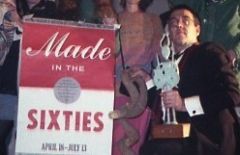
PLEXUS is beautiful chaos
Stephen DiLauro, Lower East Side New York, 1988
See and You See. Now the Space between You and Me Disappears.
But I Still Despair because I Don’t Know whether You Did what I Did….
in order to See what You See.
Miguel Algarin, Lower East Side, New York
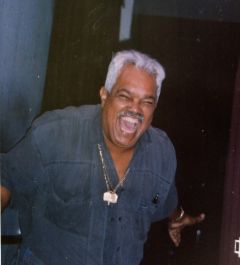
Art is a way of life, it is a way of understanding. Art is something else from money, and from what bullshit is presented usually. Art is the future which can't be controlled. It is in the air without wires. Art is free. The artists are part of the structure which the power system is trying to push out. Liquid forms vs. square lines.
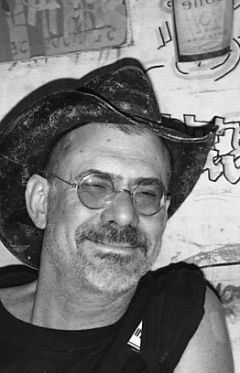
Ray Kelly, New York, 1985
The Plexus process is a not linear activity and less rationale, which the coherence appears only after the fact....and you will understand it only after you let yourself participating into it.
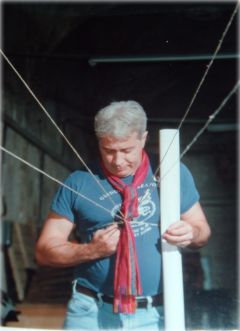
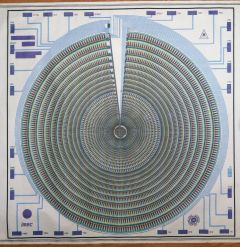
George Chaikin, New York, 1992
DEFINITION
l am
What you
Don't think
l am
Which is what
You don't
Know
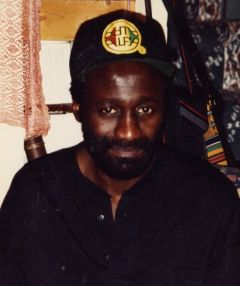
Alfa Diallo, Lower East Side, New York
Long distance lies between virtual realities and actual living, breathing realities.
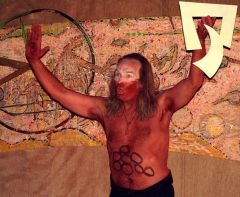

Willem Brugman, Cairns, Australia
PLEXUS IS WHAT YOU THINK, THAT IS.
PLEXUS is the shaman journey along the lines of Van Gennep’s Rites of Passage‘s format.
Barnaby Ruhe, New York, 1986
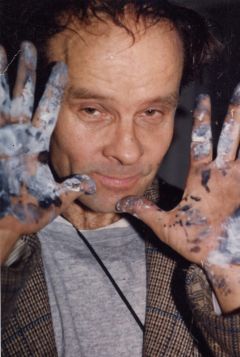
Barnaby Ruhe, New York, 1986
Plexus Black Box has not a defined definition. It does not work in definition terms. It is a fluid thought which grows, changes, moves differently for each of us. It is made to not be framed. it is a fluid idea, with a lot concerns, it is a radical democracy, it is chaos.
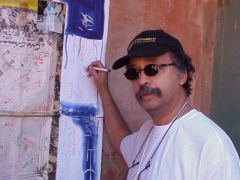
We needed greater synthesis efforts in order to define PLEXUS
"ENTROPY"
PLEXUS = kBlnW
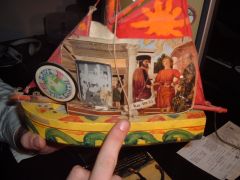
PLEXUS as entropy and therefore as information
Piero della Francesca as vision of Global Human.
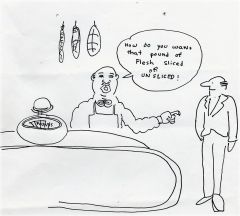
How do you want that pound of Flesh, sliced or unsliced?
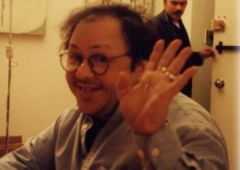
Plexus as an open artificial artform that offers the opportunity to many people to feel part of a cultural context, without knowing in advance the full picture of it and their reason for doing it.
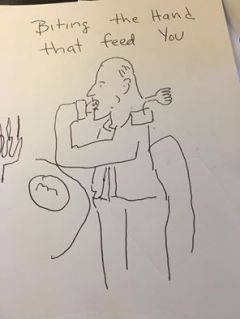
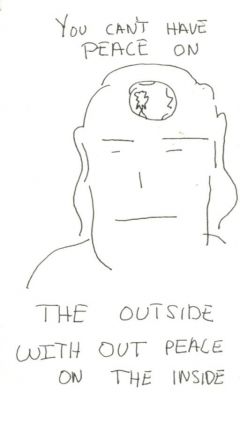
Mitch Ross, New York, 1983
A NEW PLEXUS 23S EXPLORATION ON CHATGPT FOR WRITING A PLEXUS STORYLINE FROM AN AI POINT OF UNDERSTANDING
Weaving Connections: The Plexus Journey
The Genesis of Plexus: Made in the 80's
In the vibrant art landscape of New York in the early 1980s, a diverse group of artists from various disciplines and backgrounds came together under a shared vision of experimental collaborations. Limited by the constraints of the art market, Plexus was founded as a time where artistic expression knows no boundaries by challenging definitions and art categories of the art world.
The Expanding Horizon
As the 1980s unfolded, Plexus expanded its reach beyond New York, establishing hubs in cities like Rome, Dakar, Cagliari, Gavoi and Carloforte, in Sardinia, and Cairns in Australia. This period marked the beginning of an art movement that emphasized interconnectedness among artists and communities, unlocking creative potential for collective awareness and fostering a shift in the use of human and natural resources.
This eclectic collaborative mix has become the hallmark of Plexus's artistic events, creating an atmosphere full of inspiration, where ideas flowed freely like a river in the creation of a unique form of collaborative art known as "Plexus Art Co-Opera."
The Art Co-Operas have been the distinctive feature of Plexus's journey, uniting diverse communities of artists with varying visions and artistic forms, while also providing opportunities for art networking among the public on pressing issues such as human rights, peace, biodiversity loss, desertification, and the value of cultural diversity. Through collaborative initiatives called “Art-Co-Operas,” artists experimented with new ideas, blending different cultural elements, scientific theories, and artistic expressions.
In 2008, it was launched the Plexus Call for the Safeguarding of Cultural and Natural Heritage of Humanity from the House of Slaves in Goree, Dakar, symbolizing the erosion of our historical memory and all form of ancient and contemporary slavery.
Confronting Global Challenges
In the early 2000s, as the world faced increasingly pressing issues—climate change, cultural erasure, and social injustice—Plexus responded by organizing international events such as Erosions and Renaissance Shows, along with the voyage of the Plexus Metr'Art. These initiatives sparked dialogue and action, urging artists to harness their creativity to tackle global challenges. The creation of the monumental Plexus Metr'Art emerged as a symbolic representation of unity and collaboration, showcasing contributions from hundreds of artists worldwide.
Over the years, sperimental communication and digital art exchanges have been explored within the Plexus art journey.
The Mediterranean Revival
In the mid-2000s, the Forum on Mediterranean Food Cultures in Rome became a Plexus beacon for revitalizing and strengthening community ties through shared culinary and artistic experiences. By promoting sustainable food practices as a means of community development, cross-cultural dialogues and collaborations among artists, scientists, chefs, and activists were fostered, illuminating the profound connections between art, cultures, food, and sustainability.
A New Artistic Environment
As Plexus entered its fifth decade, its mission evolved to create a new “art environment” where artists serve as both creators and consumers, co-producing their work. This model transformed the relationship between artists and their creations, promoting independence while encouraging collaboration. The organization empowered artists to explore the intersection of art, science, technology, and global markets, fostering a unique space for innovative experimental expression.
The Journey Continues
Now rooted in Sorano, Tuscany, Italy, Plexus International's journey is ongoing, fostering creativity, dialogue, and connection across communities. Through diverse exchanges, they weave a rich tapestry of voices and visions. As the collective dreams of artists expand, Plexus remains committed to nurturing sustainable cultural practices, advocating for social justice and peace, and celebrating the transformative power of art in all its forms.
The journey continues, with each new project and partnership enriching the vibrant narrative of interconnectedness, resilience, and shared humanity.
ITALIANO
Negli anni Ottanta, in un periodo di significativa vivacità culturale ed esperimentazione artistica, Plexus International nasce a New York, sviluppandosi poi a Dakar, Cagliari, Roma e Amsterdam, da un gruppo eterogeneo di artisti, che non accettando le dinamiche del mondo dell'arte e del mercato, a bordo di una metaforica nave di schiavi dell’arte, cercavano un loro altro spazio-tempo dove liberamente condividere idee e sperimentazioni, al di fuori dai limiti delle scene artistiche esistenti.
Dal 1983 al 2023, Plexus ha realizzato in diverse parti del mondo numerosi progetti ed eventi collaborativi tra musicisti, artisti visivi, performers, poeti, attori teatrali, ballerini, drammaturghi, studiosi e attivisti comunitari, a cui hanno partecipato nomi affermati ed artisti emergenti. Questi eventi, che hanno caratterizzato il viaggio di Plexus e a cui hanno partecipato oltre 1000 artisti, sono ancora una parte inesplorata della storia contemporanea dell'arte.
Questo mix eclettico collaborativo è diventato il carattere distintivo degli eventi artistici di Plexus, attraverso un’atmosfera carica di ispirazione, con idee che scorrevano libere come un fiume nella creazione di una forma d'arte collaborativa unica, nota come "The Plexus Art Co-Opera".
Le Art Operas e Co-Operas sono state il carattere distintivo del viaggio di Plexus, che unito diverse comunità di artisti, con diverse visioni e forme artistiche su pressanti sfide quali i diritti umani, la pace, la perdità della biodiversità, la desertificazione, il valore della diversità culturale, lanciando nel 2008 nell’ambito del progetto itinerante “Erosions and Renaissance” un’Appello per la Salvaguardia del Patrimonio Culturale e Naturale dell’Umanità” dalla Casa degli Schiavi di Goree, Dakar, come simbolo dell’erosione della nostra memoria storica.
Ogni evento di Plexus International si è svolto nel proprio presente, fatto di richiami a concetti e attività passate, proiettandosi nel futuro, in cui l'arte, come il cibo, è elemento essenziale per la nostra evoluzione.
Nel corso degli anni, nel viaggio di Plexus sono stati anche esplorati mezzi di comunicazione sperimentale e scambi di arte digitale, prima che esistesse iternet.
- Nel 1987, a Gavoi (Sardegna) nell’ambito dell’Art Coopera “Il Serpente di Pietra”, ha esplorato prima che esistesse internet, una interazione via I.P., Sharp bitnet e Earn network per scambi digitali di opere d'arte in diverse parti del mondo facilitate dal Dax Group della Carnegie Mellon University e il Dipartimento di Fisica dell’Università di Cagliari.
From 1983 to 2023, Plexus has carried out numerous collaborative projects and events in various parts of the world, bringing together musicians, visual artists, performers, poets, theatre actors, dancers, playwrights, scholars, and community activists. These projects have involved both established names and emerging artists. These events, which have characterized Plexus's journey and included over 1,000 artists, remain an unexplored part of contemporary art history.
With over 1,000 artists from around the world participating in its initiatives, Plexus International stands as a testament to the enduring power of collaboration and creativity in art.
Plexus il Viaggio Continua...
In un mondo globale, dove valori e culture differenti si stanno sempre più scontrando, Plexus International offre un modello aperto d'arte per una possibilità di partecipazione globale anche per piccole e lontane comunità, molto spesso separate, anche se a volte vicine tra di loro.


 Feed RSS