Go to content area

 |
 |
 |
|
Homepage > > PLEXUS INTERNATIONAL FORUM APS - Associazione di Promozione Sociale > Plexus Forum News
Plexus Forum News
12/11/2025
EATING ANDY WARHOL, 23s Blog, 2 December 2025
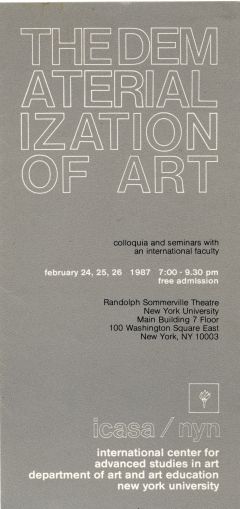
DEMATERIALIZATION OF ART AND PLEXUS REMATERIALIZATION OF THE REALITY
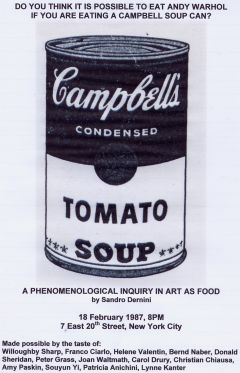
Eating Andy Warhol is a fascinating and provocative performance, to connect with a much wider global audience then current art WORLD market environment.
EATING ANDY WARHOL
A SHARED RITUAL OF ART
PLEXUS transforms the act of consumption into a collective gesture of creative communion.
In this symbolic feast, Andy Warhol — the artist who made consumption a form of art — becomes the metaphorical offering. By “eating” art, PLEXUS dissolve the boundary between creator and audience, between object and experience. Each participant becomes part of a living network of exchange, echoing the Plexus vision of art as an open system of participation.
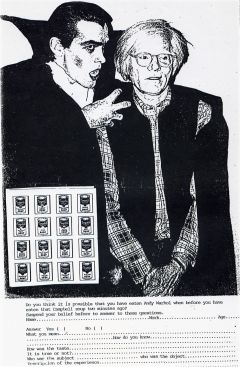
By eating and digesting Andy Warhol dematerialized, this Plexus ritual is an open invitation to reflect on how we consume culture — and how, through sharing, we might restore art’s power to connect, nourish, and change the growing erosion of human rights and the living life with its planetary bounders.
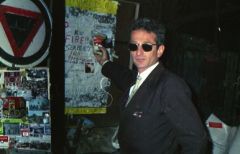
Eating Andy Warhol it is performance about consumption, creativity, and the price of fame,Warhol’s Legacy to Today’s “Consumption Culture” - exploration of mass production and today’s world of digital consumption.
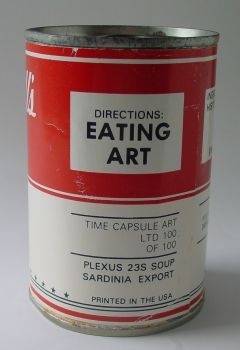
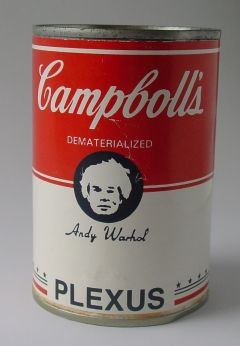
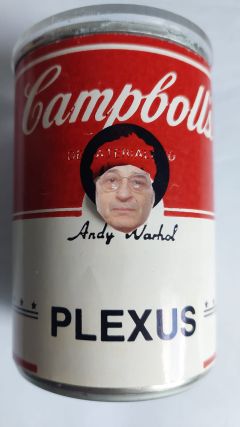
Inside a Plexus Campbell’s Can memory innovation, community and creativity are merged, reaffirming Plexus International’s vision of art as a shared, open artists network. A collective act where art leaves the gallery to become a shared ritual.
An act where participants symbolically “digest” the art system, fame, and consumer culture.
Plexus transforms the simple act of “eating” into a profound gesture of cultural reflection and collective rebirth iT bridges historical avant-garde performance and today’s global digital culture.
Plexus invites us to digest the myths of modern art and to rediscover art as a communal act of transformation — a process of nourishing, questioning, and reimagining what connects us.
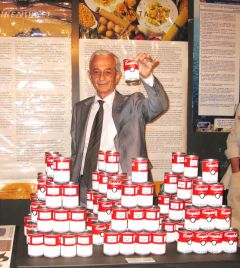
Plexus Campboll’s Can is a Modern Relic a container of shared memory — not of soup, but of cultural digestion.
“art reliquary”, holding the essence of Warhol’s pop myth and Plexus’ collaborative spirit.
A limited editions of cans filled with messages, small art pieces, codes linking to videos of PLEXUS past performances — turning each can into a token of participation.
Each can is a ritual object — a vessel where art, consumption, and community are preserved and reimagined.”
Eating Andy Warhol is not just a performance — it is a shared ritual. Originating within the Plexus International art movement, it transforms the act of consumption into a collective gesture of creative communion.
In this symbolic feast, Andy Warhol — the artist who made consumption a form of art — becomes the metaphorical offering.
Plexus Campboll’s Can is a Modern Relic, a container of shared memory — not of soup, but of cultural digestion -
A limited editions of cans filled with messages, small art pieces, codes linking to videos of PLEXUS past performances — turning each can into a token of participation.
Each can is a ritual object — a vessel where art, consumption, and community are preserved and reimagined.
Eating Andy Warhol is not just a performance — it is a shared ritual. Originating within the Plexus International art movement, it transforms the act of consumption into a collective gesture of creative communion.
In this symbolic feast, Andy Warhol — the artist who made consumption a form of art — becomes the metaphorical offering.
By “eating” art, we dissolve the boundary between creator and audience, between object and experience. Each participant becomes part of a living network of exchange, echoing the Plexus vision of art as an open system of participation.
Today, this ritual invites us to reflect on how we consume culture — and how, through sharing, we might restore art’s power to connect, nourish, and transform for all the growing not sustainable our way of living life with the planetary bounders.
An original intentional contemporary artist attempt , with the ambition to have a long shelf life in contemporary art history.
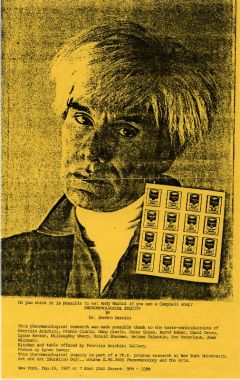
ARE WE BECOMING CANNIBALS?
Eating Andy Warhol is a fascinating and provocative performance, to connect with a much wider global audience then current western art market environment.
Eating Andy Warhol is a radical moment in art history reborn for the digital age — a performative act that transformed art consumption into a communal experience.
It as Not Just a Performance
Position Eating Andy Warhol as a living dialogue about art, consumerism, and identity — not just a historical avant-garde action.
Plexus’ Collaborative Spirit
Eating Andy Warhol is a participatory art that shifts the focus from the spectacle of the
performance to the
collective symbolic act
that defines it —
the transformation of art
into a participatory,
communal experience
WHO IS THE OBJECT AND
WHO IS THE SUBJECT?
Eating Andy Warhol poses today the question: what happens when the art object and the artist merge into one edible idea?”
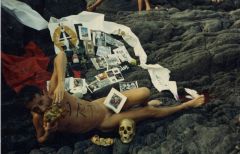
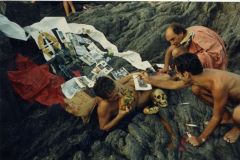
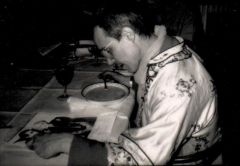
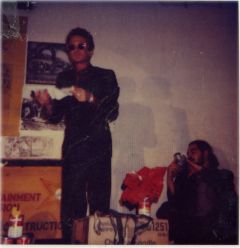
Eating Art performance by Sandro Dernini, with Andrea Portas and Antonio Caboni, Carloforte, Sardinia, 1988
ARE WE BECOMING CANNIBALS?
Eating Andy Warhol is a ritual of connection, a metaphoric communion — an act where participants symbolically “digest” the art system, fame, and consumer culture, a collective rite of creative renewal, where art is not consumed individually but shared as nourishment.
To eat Andy Warhol is to share in the myth of art, to transform the icon into nourishment for a new collective creativity.
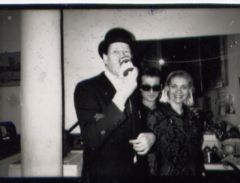
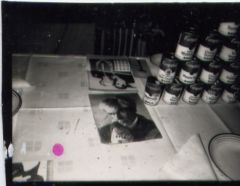
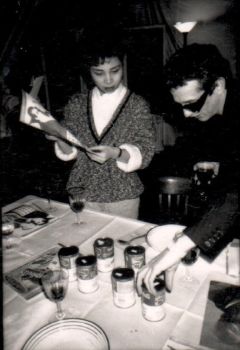
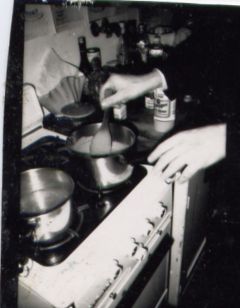
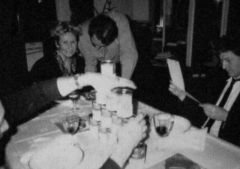
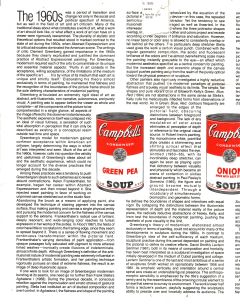
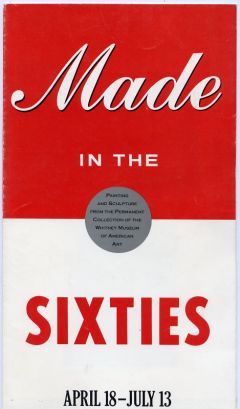
When art becomes food: Eating Andy Warhol — a performance about consumption, creativity, and the price of fame. not just a 1980s art happening.
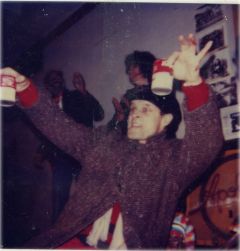


 Feed RSS